

Whoa. Crypto moves fast. Really fast. One minute you’re testing a new yield farm, the next you’re staring at a failed TX and wondering where the gas went. I felt that pinch last year—lost time, a little ETH, and a bruise to my confidence. My instinct said: somethin’ has to give. So I started looking at wallets not just as key managers, but as active defenders and tools for developers and traders alike.
Here’s the thing. dApp integration used to mean a popup that asks for permission and hopes for the best. Now, with sophisticated MEV (miner extractable value) strategies and complex multi-step transactions, wallets need to do more. They need to simulate, they need to explain, and they need to offer pragmatic protections. That’s where wallets like rabby enter the conversation—bringing transaction simulation and clearer UX into play so users can make better decisions before they hit “Confirm.”
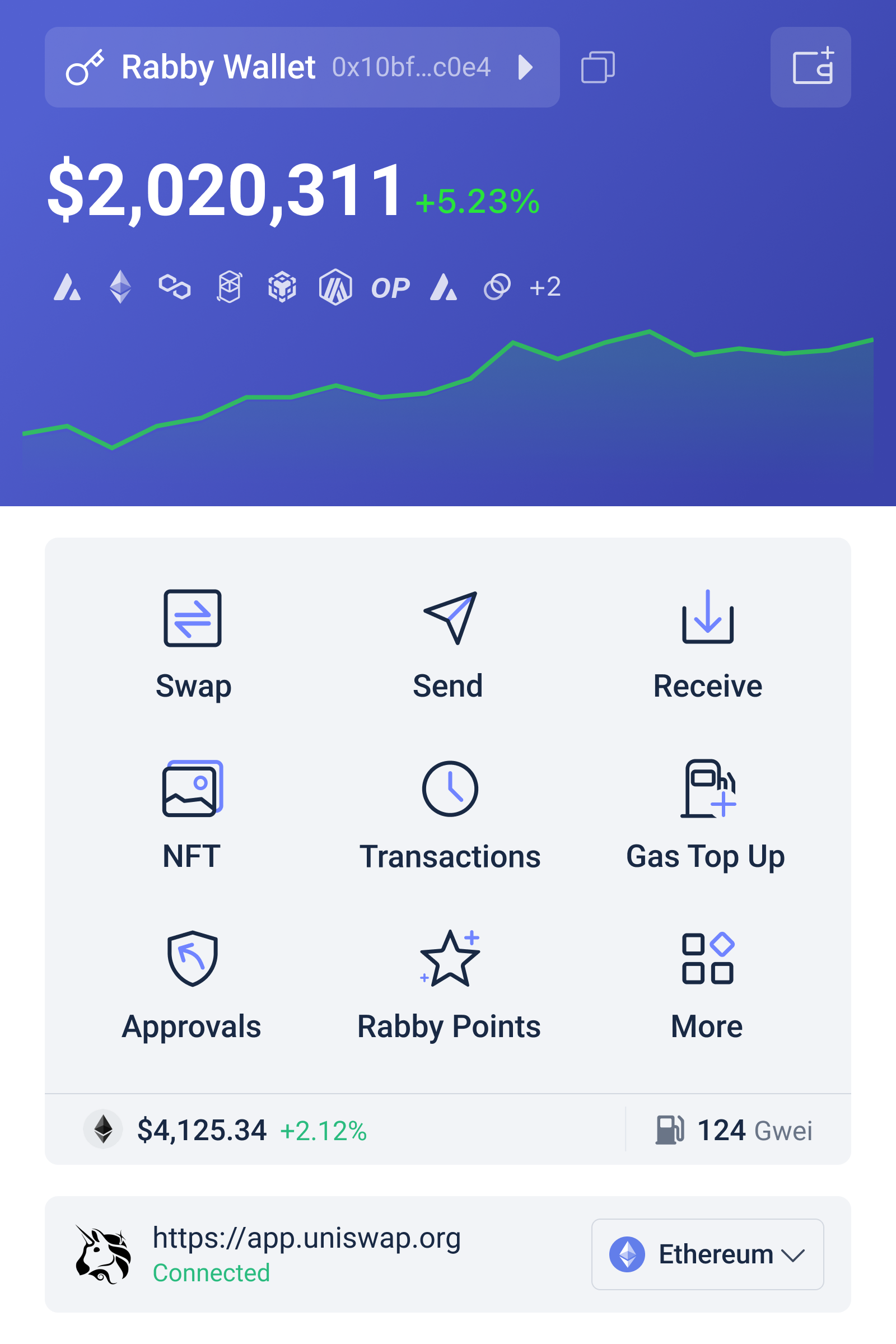
Why dApp integration can’t be dumbed down anymore
Most dApps call a wallet and expect one click. On paper, fine. In practice, though, a single click can trigger a multi-contract sequence with approvals, token swaps, and optional callbacks. The problem is not just convenience. It’s opacity. When a dApp bundles many steps, the user often gets one aggregated transaction that hides intermediate approvals and state transitions.
On one hand, a smooth UX is essential. On the other hand, each abstraction is a potential place for a surprise. Initially I thought that better UI alone would solve this, but then I saw how subtle reentrancy and approval traps can be. Actually, wait—let me rephrase that: better UI helps, but wallets must also expose the low-level plan so users can understand what they’re signing. That’s why integrated transaction simulation matters.
Simulation gives context. It answers the real questions: Will this swap fail? How much slippage might occur? Is there an unexpected token approval? If the wallet can show the simulation result, and do it quickly, that’s a huge UX win. It turns a blind trust into a tentative handshake.
MEV: the invisible tax on on-chain activity
MEV is messy. Hmm… seriously, it’s like a second economy layered on top of the blockchain. Bots scan the mempool. They reorder, sandwich, or extract value in ways that are legal within the system but painful for regular users. This part bugs me—because normal users pay the price, either through worse execution or higher gas.
On one hand, you can try to hide your intent by splitting transactions or using private relays. On the other hand, that adds complexity and latency. There’s no silver bullet. However, wallets can reduce exposure by offering smarter routing, bundle submission, or by integrating with services that provide protected submission paths. My experience with wallets that surface these options is that they empower users to pick trade-offs—not leave them at the mercy of miners and bots.
In practical terms: if a wallet warns you about obvious sandwich risks and offers alternatives (like a private relay or a different routing), you’re less likely to get clipped. These protections don’t eliminate MEV, but they reduce the easy wins for frontrunners.
Transaction simulation: the underrated hero
Transaction simulation is where I now spend most of my anxiety budget. Simulate before you sign. Simulate before you pay. Simulate again. Sounds obsessive? Maybe. But it’s also smart. A good simulation shows expected state changes, final token balances, potential revert reasons, and gas estimates. When it works, it prevents surprises.
Not all simulations are equal. Some are best-effort and miss oracle updates or mempool state. Others run a fully deterministic dry-run against a recent block state. Wallets that integrate high-fidelity simulation tools give a clearer picture. In practice, that means fewer failed transactions and more predictable outcomes. That matters when gas is high and the strategy is time-sensitive.
Okay, so check this out—I’ve watched a small DeFi position get liquidated due to an unnoticed slippage path. If we had simulated, the path would have been obvious. Simulations helped me change execution strategy: smaller slices, altered routing, and a private submit. It was more work, but it saved capital.
How to think about wallet features when you choose one
Pick a wallet that treats transactions as first-class citizens. Here’s a checklist based on what actually helped me:
- Clear permission prompts that separate approvals from executions.
- Built-in transaction simulation or easy access to a simulation API.
- Support for private or bundled submission paths to mitigate MEV.
- Good nonce management and multi-sig compatibility, if you use prosumer setups.
- Transparent gas and routing options so you can prioritize speed or cost.
I’m biased, but I prefer wallets that let me inspect the raw calldata when I want to. Not everyone needs that level. Still, exposing it as an option raises the bar for safety across the ecosystem.
Integrating dApps with wallets: developer notes
If you’re building a dApp, don’t assume the wallet will handle everything. Newer wallets expect dApps to be explicit about intentions. A few practical tips:
- Emit clear intent on the UI—show the user what you’re doing, step by step.
- Support meta-transactions if privacy or gas abstraction helps your UX.
- Offer a human-readable summary of complex operations and include a simulation endpoint.
- Test against wallets that provide advanced features; they often reveal edge cases early.
On the developer side, it’s tempting to bundle steps for a “clean” UX. But sometimes explicitness wins. Users appreciate honesty—tell them what’s happening, and provide a rollback strategy if possible.
FAQ
What exactly does transaction simulation show?
Usually: whether the transaction would succeed, expected token deltas, gas estimation, and potential revert reasons. The fidelity depends on how current the simulated state is and whether the simulation models on-chain or oracle updates in-flight.
Can wallets fully stop MEV?
No. MEV is a network-level phenomenon. Wallets can reduce exposure by offering private submission paths, bundling options, or better routing, but they can’t eliminate MEV entirely. Think mitigation, not elimination.
Why mention rabby here?
Because some modern wallets, rabby among them, emphasize the exact things I describe—clear dApp integration, simulation and permission clarity, and UX choices that let users pick safer submission strategies. If you’re exploring next-gen wallets, it’s worth adding to your shortlist.
